What you can handle on your own
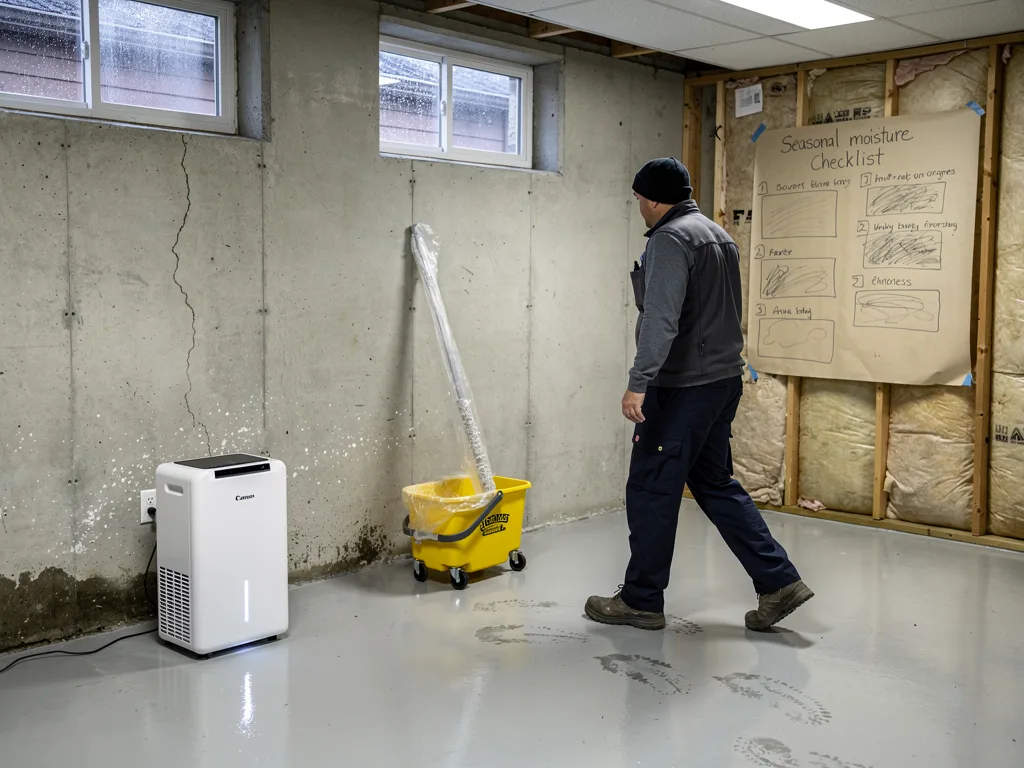
Small, contained incidents are where many homeowners start. If you notice a minor spill or a small plumbing discharge, you can start by stopping the source and drying the area with towels and a fan. Use a dehumidifier to pull moisture from the air. Keep a log of how long the area stays damp and what you’ve done so far. Drying needs to be thorough, not just surface level, and it’s worth documenting the process in case a pro needs to step in later.
In Sioux Falls, quick action can keep costs down. If you feel confident and the area is accessible, you can attempt a careful cleanup, but avoid pushing into areas where wiring or structural components might be involved. Do not peel back layers beyond what you can inspect safely. Electrical sources and hidden moisture can be a dangerous mix if you’re not prepared.
When to call a restoration specialist
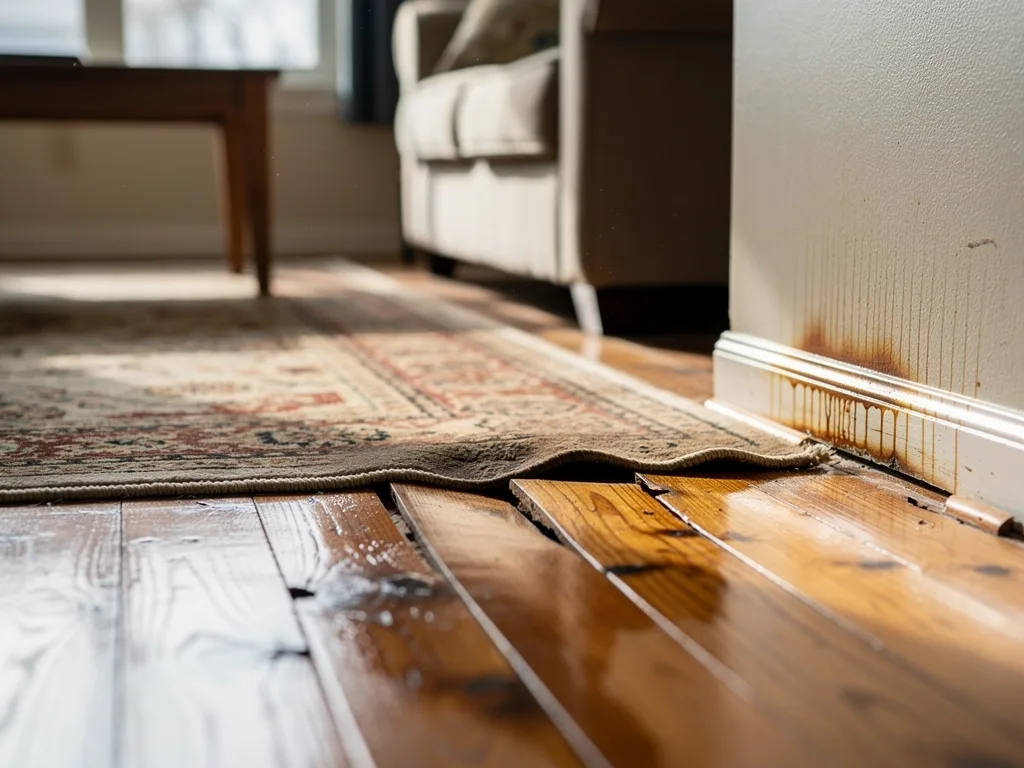
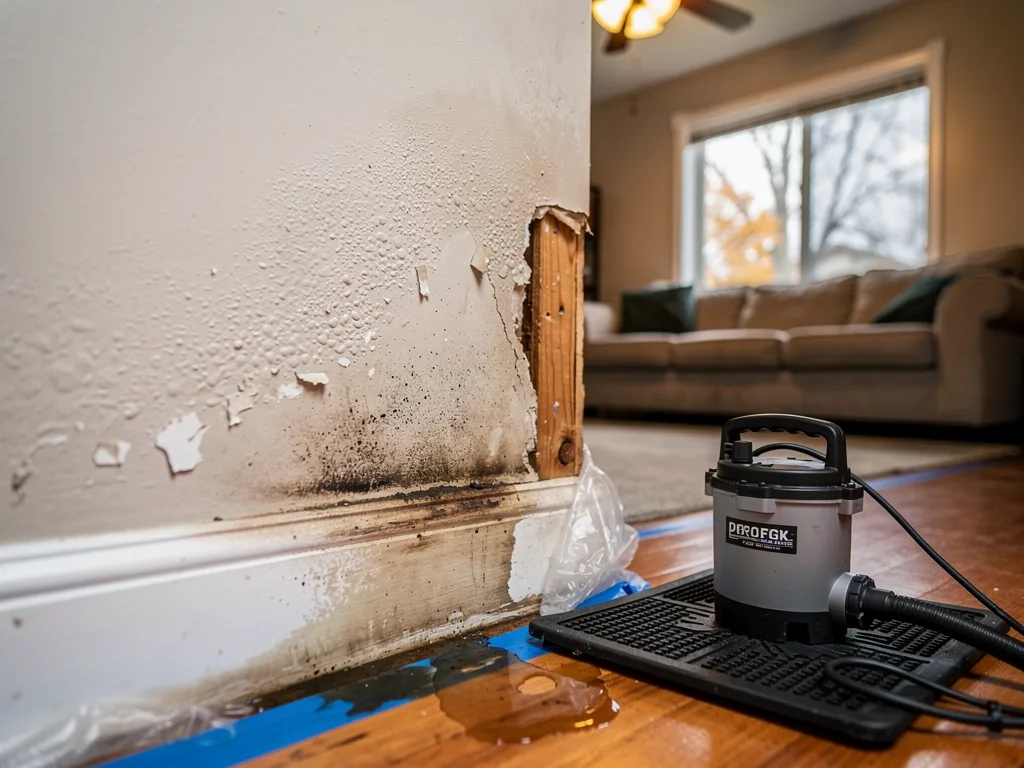
If you’re dealing with water that’s soaked into insulation, subflooring, or behind walls, it’s time to call a restoration specialist. In Sioux Falls, our team checks behind the obvious spots to confirm there’s no hidden moisture. We use moisture meters and targeted drying strategies to ensure the area is dry to standard before finishing and redecoration begin.
You should also call if you notice persistent dampness after your DIY effort, if you smell a musty odor, or if you see staining returning within a day or two. Our crew will walk you through what we find, explain the expected timeline, and outline the practical steps to restore comfort and safety in your home without upsell tactics.
A practical decision framework
Ask yourself: Is there visible water, dampness that returns, or a potential electrical risk? If yes, a restoration specialist should evaluate. In Sioux Falls, we aim to keep disruption minimal while getting the job done right. We’ll explain the findings and lay out clear, actionable options. No pressure, just a plan you can rely on.